HuVA Lab × Hyundai Motor Group
Genesis G90 Smart Seat Evaluation with Hyundai Motor Group
Genesis G90 smart-seat evaluation — Hyundai Motor Group industry-partner study
Contributed to an industry-partner study with Hyundai Motor Group evaluating a next-generation smart seat for the Genesis G90, using 14 air-cell actuators to auto-balance left/right body pressure and sustain driver comfort during long-duration driving. Owned the experimental workflow end to end, including participant recruitment, real-vehicle testing, multi-channel data logging, statistical analysis, and technical reporting to Hyundai Motor Group. IRB-approved: KMU-202503-HR-461.
Participant recruitment and anthropometric profiling
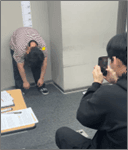
Recruited 12 IRB-approved participants (8M/4F, mean age 29.3), each with ≥5,000 km annual mileage or ≥3 years of driving experience. Collected anthropometric data including stature, sitting height, weight, and body-type segmentation to align the cohort with the target user profile for G90 driver-seat comfort evaluation.
Real-vehicle comfort evaluation on the Genesis G90
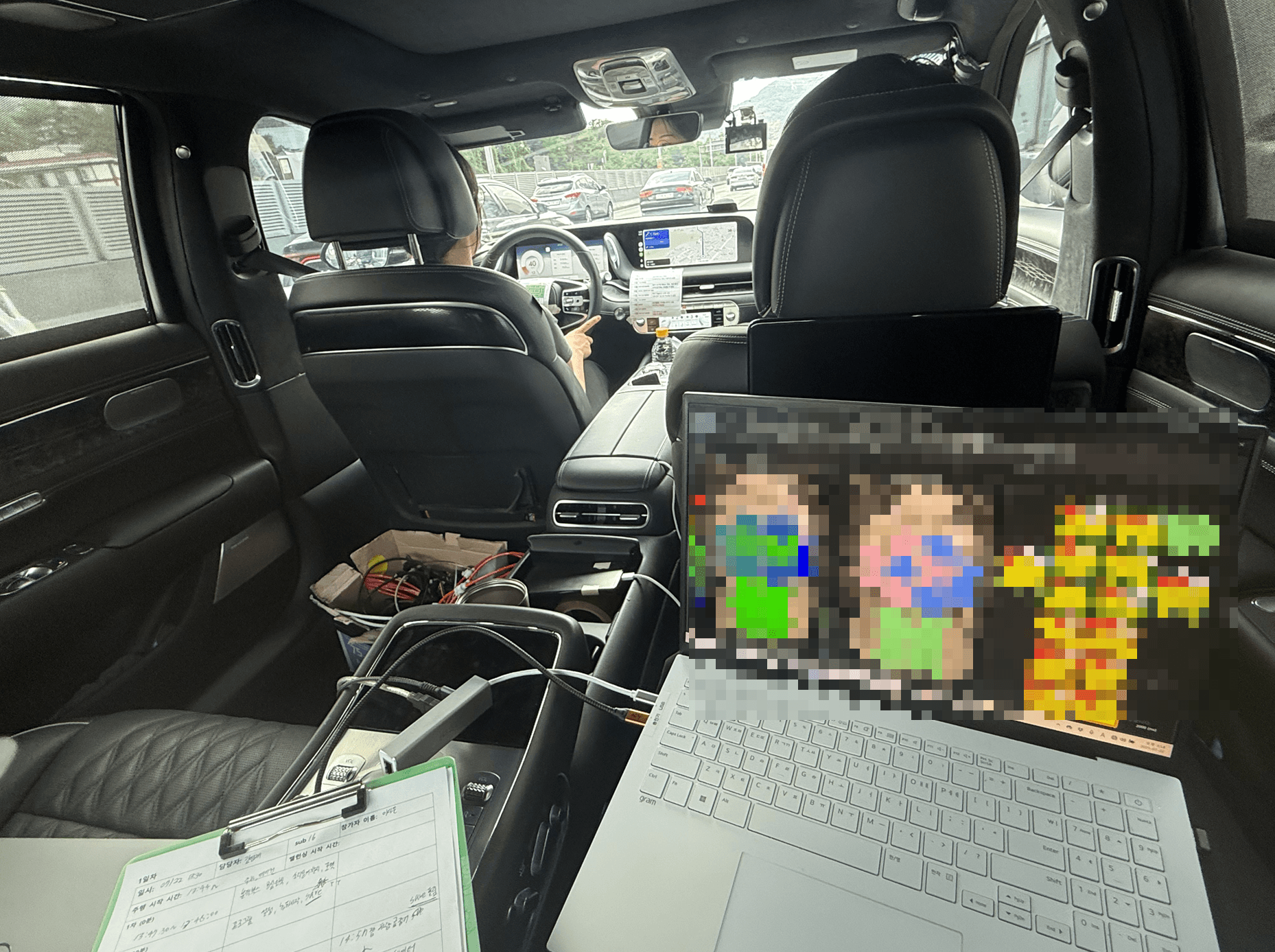
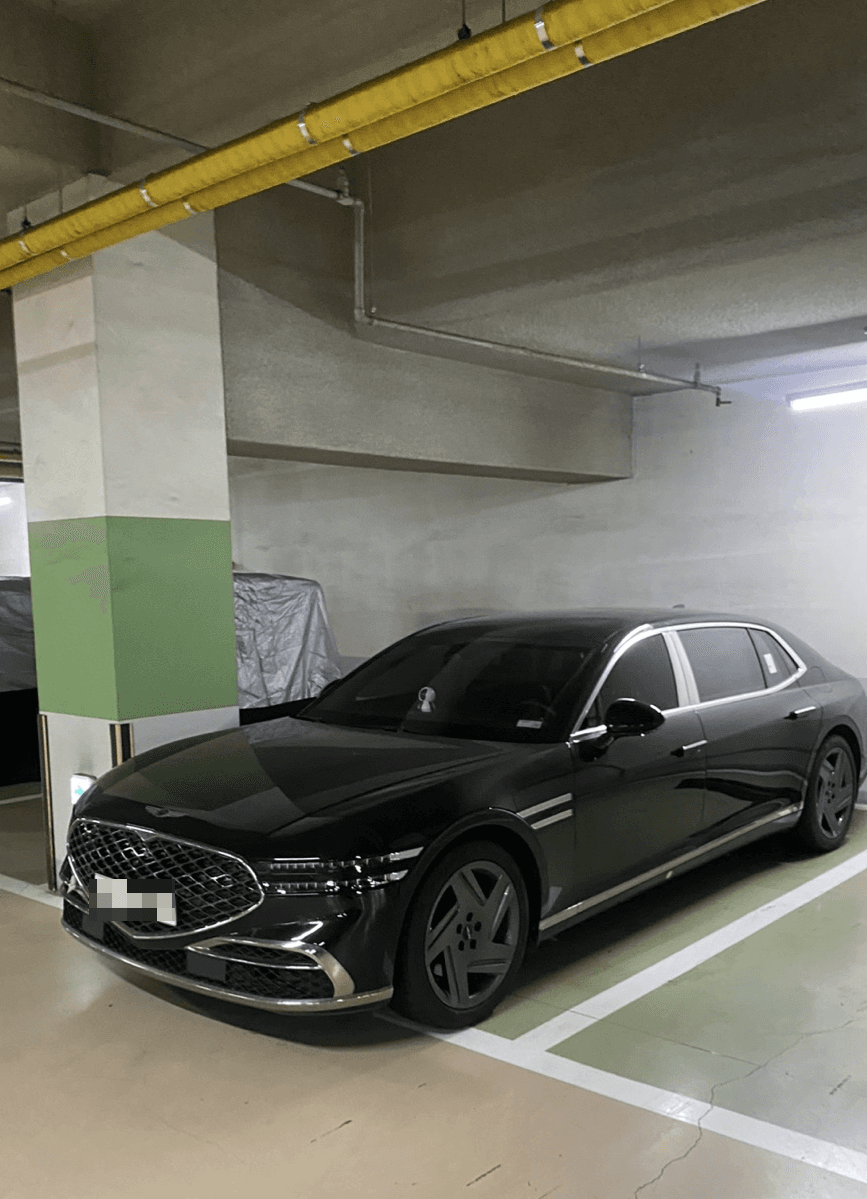
Conducted 2-hour controlled test drives in a Genesis G90 over a fixed university-to-expressway round-trip route, administering mid-drive comfort surveys every 30 minutes. Collected 65+ hours of synchronized multi-channel data, including pressure distribution, air-cell activity, seat position, subjective comfort scores, and in-cabin video.
Smart-seat instrumentation and hardware fault resolution
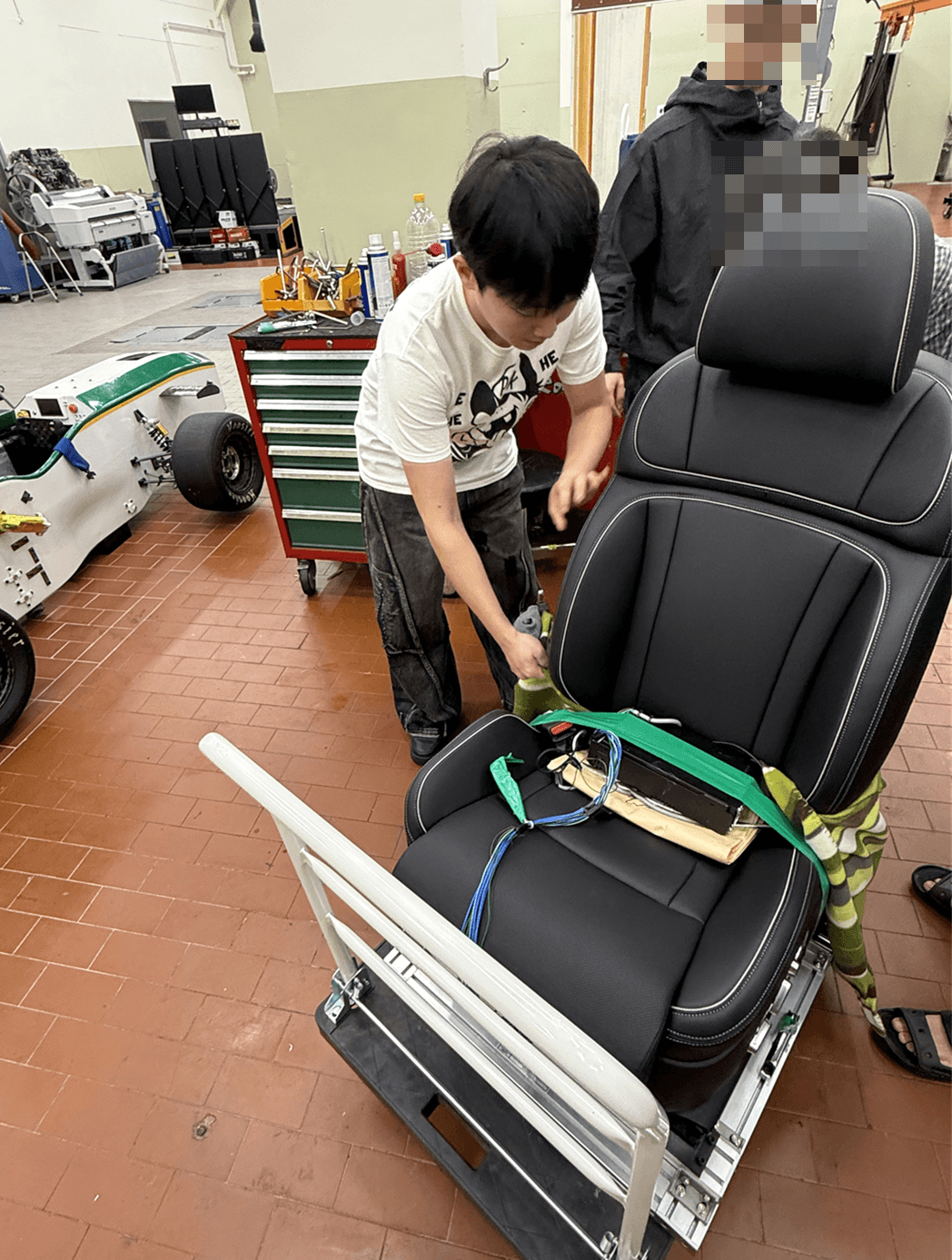
Configured the smart-seat instrumentation rig, including 14-channel ADC-logged pressure-distribution sensors across the back, cushion, and bolster regions, and 14 air-cell actuators supporting the auto-balancing logic. Diagnosed an air-cell exhaust fault that caused repeated last-value entries during deflation events, coordinated seat replacement with Hyundai Motor Group engineers, and revalidated the replacement unit before resuming testing.
Live sensor monitoring and data-integrity validation
Monitored every real-vehicle test run in real time, tracking pressure-mat distribution, air-cell intake/exhaust behavior, seat position, and synchronized driver video during on-road driving. Cross-checked vehicle logs against time-stamped data records to identify logging anomalies before downstream statistical analysis.
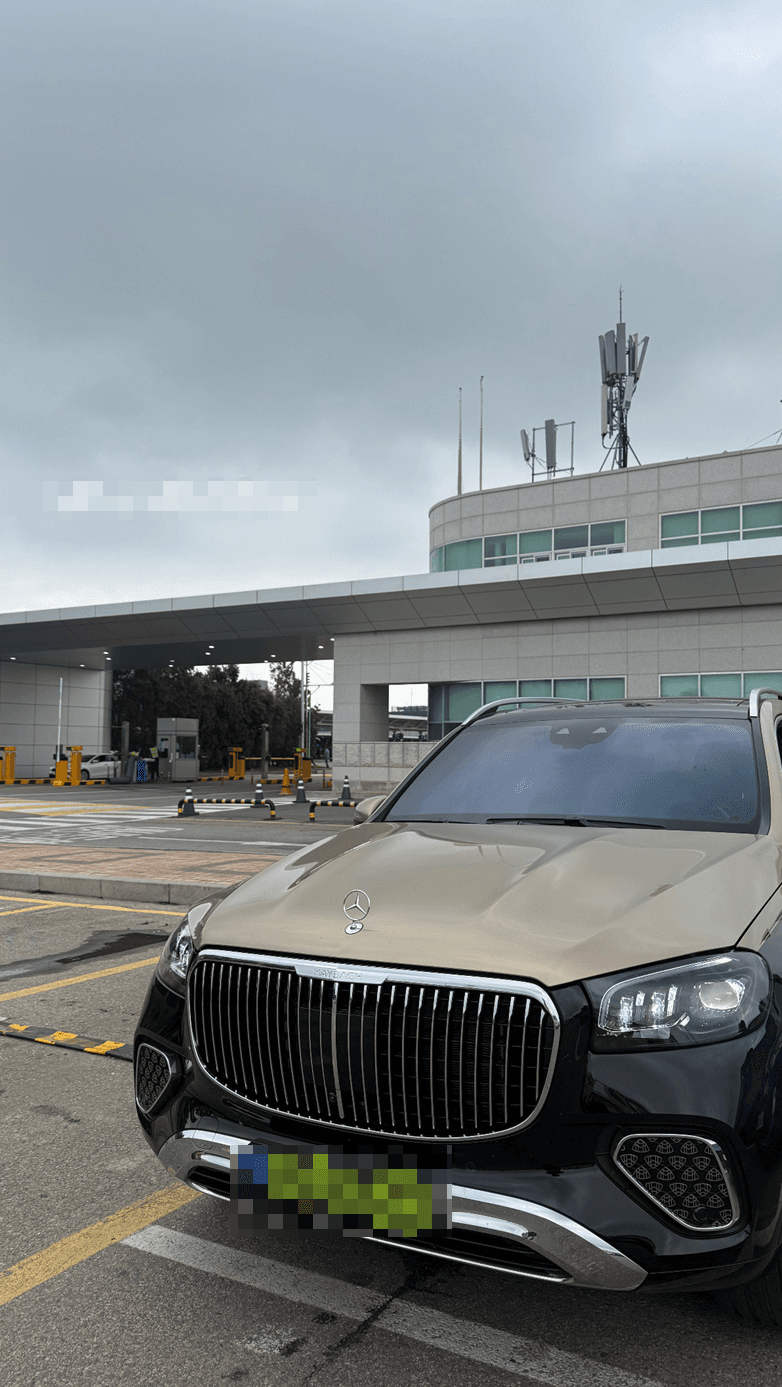
Competitor-vehicle seat-comfort benchmarking
Conducted 2-hour benchmark drives with competitor luxury sedans, including Mercedes-Maybach, under the same test protocol used for the Genesis G90. Compared subjective comfort scores against the G90 baseline to inform the next firmware iteration.
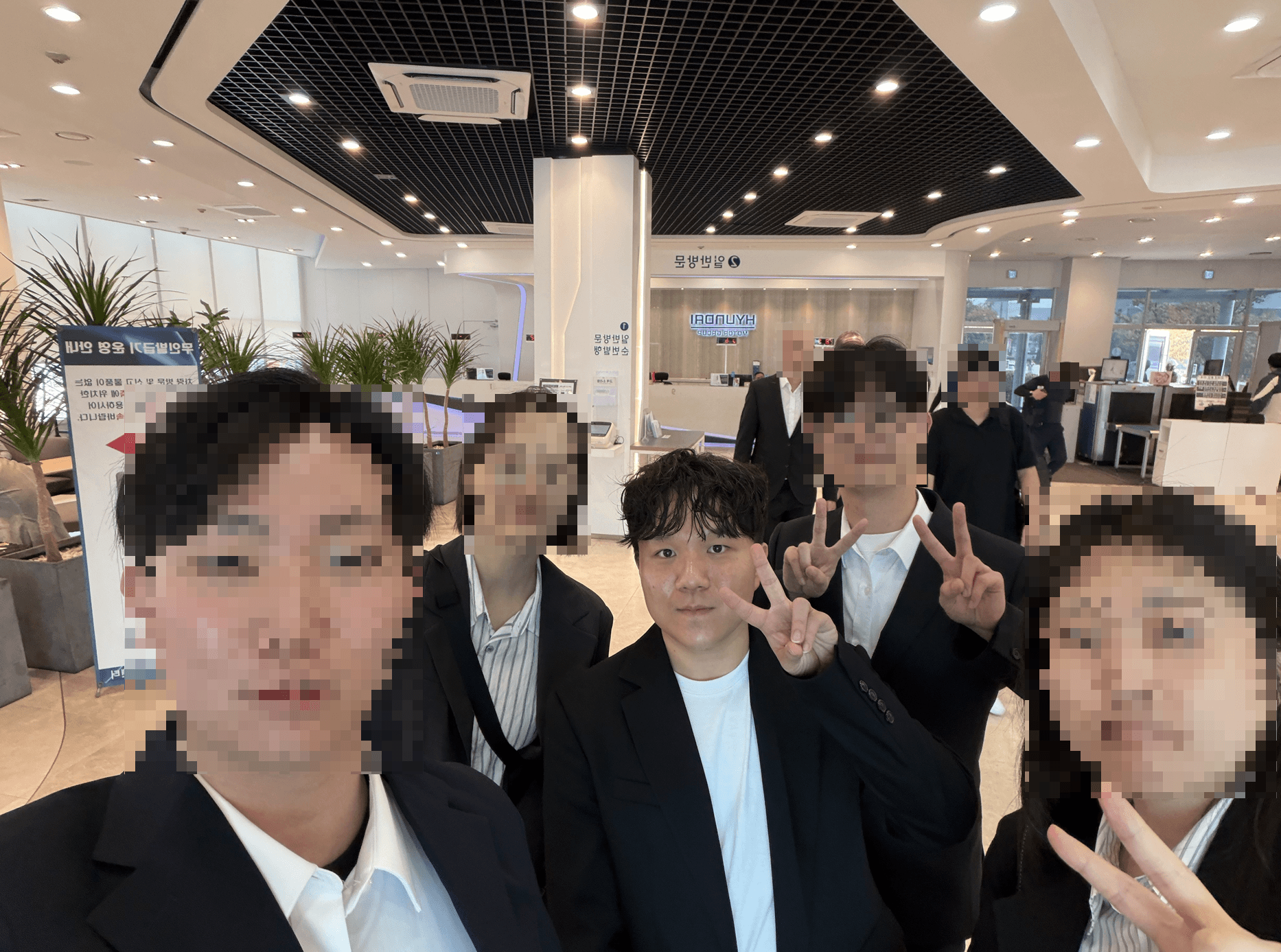
Final report and on-site presentation at Hyundai Motor Group Namyang R&D Center
Authored a 150-page completion report and presented findings to Hyundai Motor Group engineers at the Namyang R&D Center. Summarized statistical evidence that the air-cell logic improved long-duration driver comfort and provided firmware recommendations for the next iteration.